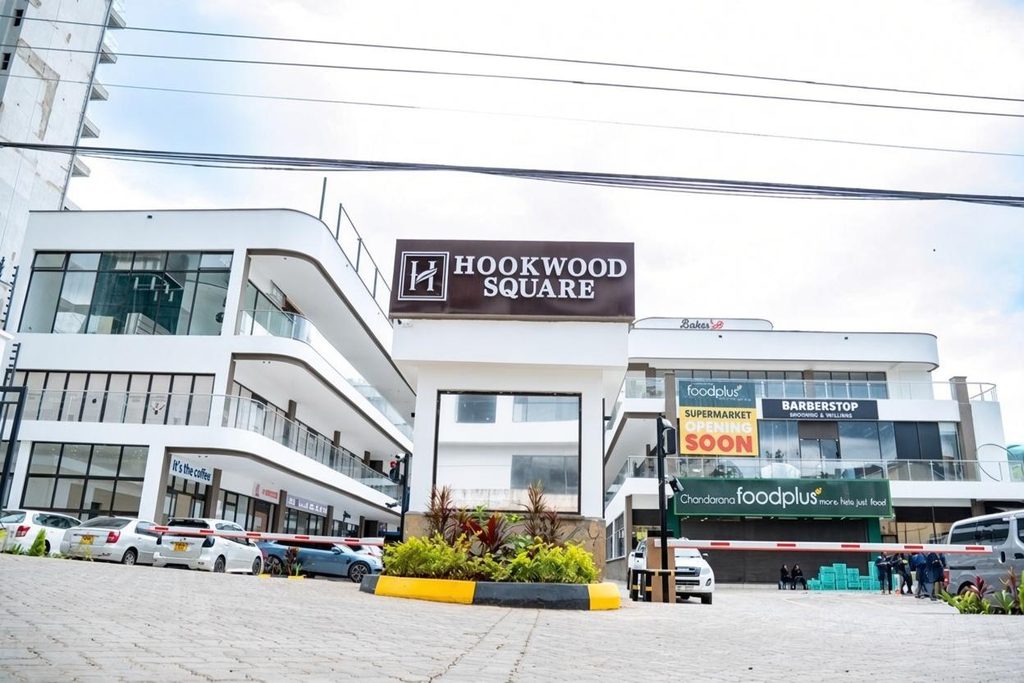
Hookwood Square is a planned three-level retail centre on Brookside Grove, near Waiyaki Way in Westlands, Nairobi. Designed by Castles Architecture under Architect Monica’s direction, it is being positioned as an intimate alternative to the city’s large destination malls. Its purpose is to serve nearby residents, office workers and institutions with everyday shopping, dining and services that can be reached quickly and conveniently.
The project is advertised at approximately 60,000 square feet, with units ranging from small shops to larger spaces suitable for anchor tenants. Proposed uses include a supermarket, restaurants, cafés, a food court, pharmacies, clinics, banking, fashion, beauty, wellness, laundry, optical services, electronics and a gym. Chandarana Foodplus is identified in one listing as the possible anchor supermarket. Together, these uses are intended to encourage repeat visits rather than occasional full-day trips. Customers could combine a grocery run with coffee, lunch, banking or a personal service in one stop. Hookwood’s location supports this neighbourhood-retail model. It is close to Spring Valley, Muthangari, Loresho and the wider Westlands commercial district, while being set back from the busiest main-road environment. The centre aims to fill the gap between a small local shop and a major mall by saving customers time and reducing the need to cross the city for routine needs. This approach reflects Nairobi’s urban growth, longer commutes and increasing reliance on modern retail outlets for household purchases.
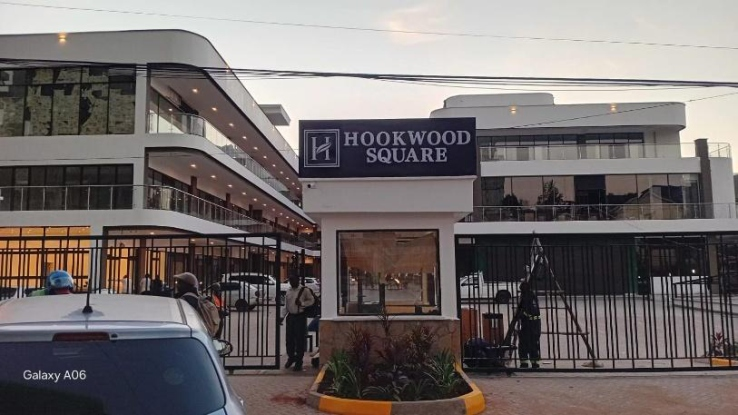
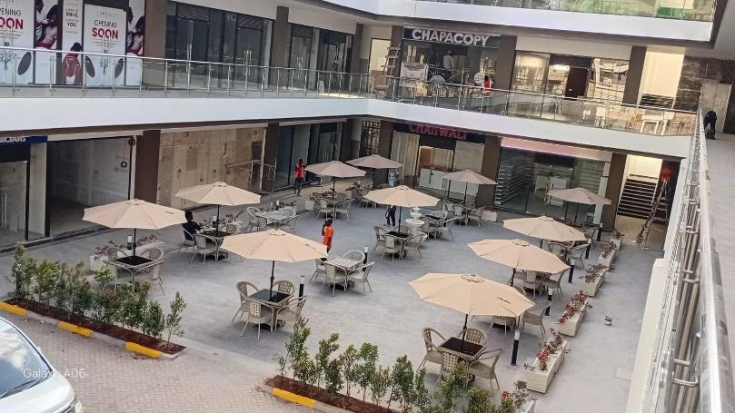
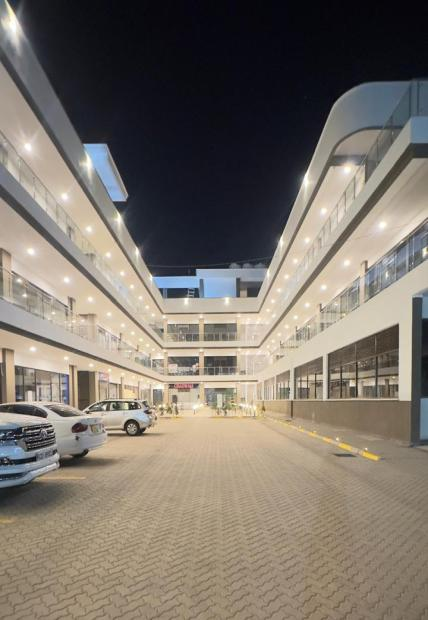
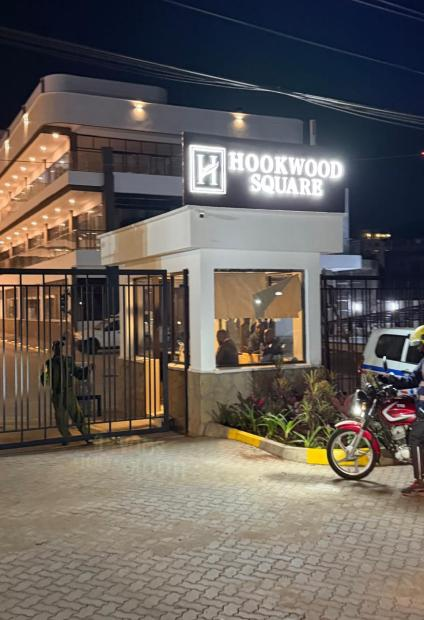
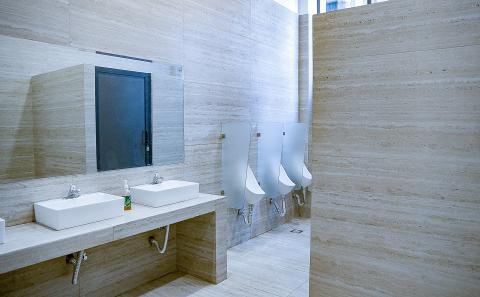
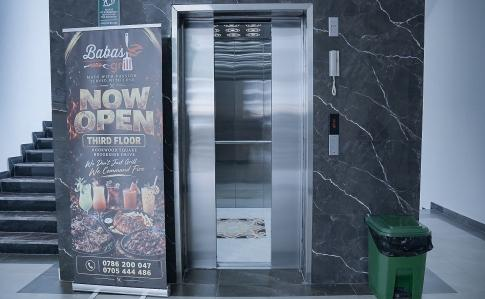
Architecture is central to the project’s identity. Published images show landscaped arrival areas, open circulation, generous glazing, rounded balconies and planted edges. These features are intended to create a lighter, more connected environment than the enclosed “box” associated with older shopping complexes. Practical amenities mentioned in project listings include parking, multiple access points, lifts, escalators, backup power, security, water supply, waste-management areas and dedicated service zones. In Nairobi, these are essential operating requirements, not merely design enhancements. The completed centre will need to make parking, entrances, vertical movement and tenant locations easy to understand, especially for businesses on the upper floors.
The main challenge will be execution. Rents, service charges, unit sizes, opening information and the tenant list vary across public listings, indicating that the project remains in a pre-opening or launch phase. Hookwood will need to balance established brands with smaller local businesses, maintain reliable infrastructure and manage traffic, deliveries, waste, energy and pedestrian access responsibly. Its supermarket and food operators will also shape the quality and affordability of the local food environment.
If the development delivers on its promise, Hookwood Square could become a dependable Westlands address for the weekly shop, a quick meal, practical errands and informal meetings. Its success will depend less on architectural novelty than on whether it turns proximity into genuine, consistent convenience.